How To Homeschool
What's Popular
Alan Jemison Music
Buying Used Curriculum

Guerrilla Learning: How to Give Your Kids a Real Education With or Without School
Trust Tutoring
Sonlight Unschoolers
Capital Area Christian Communicators (CACC) Debate Club
Sonlight Curriculum-Charlotte Mason
Eclectic Homeschooling
Khan Academy
Central Maryland Unschoolers

Christian Unschooling : Growing Your Children in the Freedom of Christ
What is Unschooling?
Eclectic Homeschooling
The SAT vs. the ACT: Which to Choose?
JumpStart Free Math Curriculum
Resources
Progeny Press Study Guides for Literature
- The Adventures of Huckleberry Finn (9-12)
- The Adventures of Tom Sawyer (6-8)
- Amos Fortune, Free Man (5-7)
- Anne of Green Gables (5-8)
- Bears on Hemlock Mountain (1-3)
- The Best Christmas Pageant Ever (4-6)
- The Bridge (4-6)
- Bridge to Terabithia (6-8)
- The Bronze Bow (6-8)
- Carry On, Mr. Bowditch (9-12)5-7
- Charlotte's Web (4-6)
- A Christmas Carol (8-12)
- Clipper Ship (1-3)
- The Courage of Sarah Noble (1-3)
- The Cricket in Times Square (4-6)
- Crown and Jewel (4-6)
- A Day No Pigs Would Die (9-12)
- The Door in the Wall (4-6)
- The Drinking Gourd (1-3)
- Farmer Boy (4-6)
- The Fellowship of the Ring (9-12)
- Frankenstein (10-12)
- Frog and Toad Together (K-2)
- The Giver (7-9)
- The Great Gatsby (9-12)
- Hamlet (9-12)
- Heart of Darkness (9-12)
- Henry & Mudge in Puddle Trouble (K-1)
- The Hiding Place (6-8)
- The Hobbit (8-12)
- Holes (5-8)
- The Indian in the Cupboard (5-7)
- In the Year of the Boar and Jackie Robinson (4-6)
- Introduction to Poetry: Forms and Elements (8-12)
- Island of the Blue Dolphins (5-7)
- Jane Eyre (9-12)
- Johnny Termain (6-8)
- The Josefina Story Quilt (1-3)
- Julius Caesar (9-12)
- Keep the Lights Burning, Abbie (1-3)
- The Lion, Witch & Wardrobe (4-7)
- Little House in the Big Woods (4-6)
- Little House on the Prairie (4-6)
- The Long Way to a New Land (1-3)
- The Long Way Westward (1-3)
- The Lord of the Flies (11-12)
- Macbeth (9-12)
- The Magician's Nephew (5-7)
- Maniac Magee (6-8)
- The Merchant of Venice (9-12)
- The Minstrel in the Tower (2-4)
- Miss Rumphius (1-3)
- Mr. Popper's Penguins (3-5)
- New Coat for Anna (1-3)
- Number the Stars (5-7)
- The Old Man and the Sea (9-12)
- Oscar Otter (K-1)
- Out of the Dust (7-9)
- Out of the Silent Planet (9-12)
- Ox-Cart Man (1-3)
- Perelandra (9-12)
- Prince Caspian (5-7)
- The Red Badge of Courage (9-12)
- Redwall (5-9)
- The Return of the King (9-12)
- Roll of Thunder, Hear My Cry (6-8)
- Romeo and Juliet (9-12)
- Sam the Minuteman (1-3)
- Sarah, Plain and Tall (4-6)
- The Scarlet Letter (9-12)
- The Screwtape Letters (9-12)
- The Secret Garden (6-8)
- Shiloh (5-7)
- The Sign of the Beaver (5-7)
- Stone Fox (3-5)
- The Strange Case of Dr. Jekyll and Mr. Hyde (8-12)
- The Swiss Family Robinson (7-9)
- A Tale of Two Cities (9-12)
- To Kill a Mockingbird (9-12)
- Tuck Everlasting (6-8)
- The Two Collars (4-6)
- The Two Towers (9-12)
- Wagon Wheels (1-3)
- Where the Red Fern Grows (5-7)
- The Whipping Boy (3-5)
- The Witch of Blackbird Pond (5-7)
- A Wrinkle in Time (5-8)
- The Yearling (9-12)

Montessori: A Modern Approach
Paula Polk Lillard writes both as a trained educators and as a concerned parent -- she has many years as a public school teacher, but it was her enthusiasm for the education her own child experienced in a Montessori school that led her to become a leading voice in the Montessori movement in this country.
Her book offers the clearest and most concise statement of the Montessori method of child development and education available today.
Bob Books
Pecci Reading Method: At Last! A Reading Method for Every Child

Waldorf Education: A Family Guide
What draws parents and educators toward Waldorf Education today? "Waldorf Education - A Family Guide" offers a "first look" for parents and educators into the history, philosophy, curriculum, and traditions of this unique education. This comprehensive book is a collection of articles describing the world of Waldorf Education - the fastest growing independent school movement in the world.
Greenleaf Press

Teach Your Own: The John Holt Book Of Homeschooling
The Mystery of History
Total Language Plus
Montessori Reading

Idea Book For Cuisenaire Rods At The Primary Level

Rhythms of Learning : What Waldorf Education Offers Children, Parents & Teachers (Vista Series, V. 4) (Vista Series, V. 4)
This collection is the clearest introduction to the ideas of Waldorf education currently available. "Rhythms of Learning" contains Steiner's most important lectures on teaching and child development. It is an excellent resource for everyone interested in taking education successfully into the 21st century.

Understanding Waldorf Education : Teaching from the Inside Out
Written by a teacher with more than 25 years of experience, this book offers a jargon-free view of Waldorf schools with their philosophy of the importance of a three-dimensional education. Through learning experiences that involve all of the senses, children use a variety of intelligences to develop thought, feeling, and intentional, purposeful activity. Whether you_re a Waldorf parent or teacher, or you just want to learn more about these innovative educational concepts, this book contains important ideas on learning that you can apply today.
H. A. Guerber's Histories

Secret of Childhood

The Complete Home Learning Source Book : The Essential Resource Guide for Homeschoolers, Parents, and Educators Covering Every Subject from Arithmetic to Zoology

Bead Sequencing Set

Dumbing Us Down: The Hidden Curriculum of Compulsory Schooling

Children at Play : Using Waldorf Principles to Foster Childhood Development
A Child's Story of America
Alpha-Phonics
Life in America

Dr. Montessori's Own Handbook
English from the Roots Up

Teach Me to Do It Myself: Montessori Activities for You and Your Child

Kinder Dolls: A Waldorf Doll-Making Handbook
Included are:
· Ten designs, including soft, baggy, angel, pouch, sack, and limbed dolls
· Twelve basic clothes patterns and ethnic variations
· Tools, techniques, and materials
· Safety guidelines and sewing methods
· Recycling tips and where to get materials

Freedom and Beyond (Innovators in Education)

Montessori Method
Beautiful Feet Books
A Reason For® Handwriting
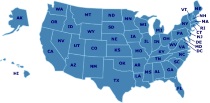
Looking for Another State?
Featured Resources
As an Amazon Associate, we earn from qualifying purchases. We get commissions for purchases made through links on this site.

Habits: The Mother's Secret to Success (Charlotte Mason Topics - Volume 1)

Why We Homeschool

The Well-Ordered Home: Organizing Techniques for Inviting Serenity into Your Life

Real Lives: Eleven Teenagers Who Don't Go to School
